
Designing for understanding: clarity over decoration
An editorial design approach focused on clarity, learning, and responsibility.
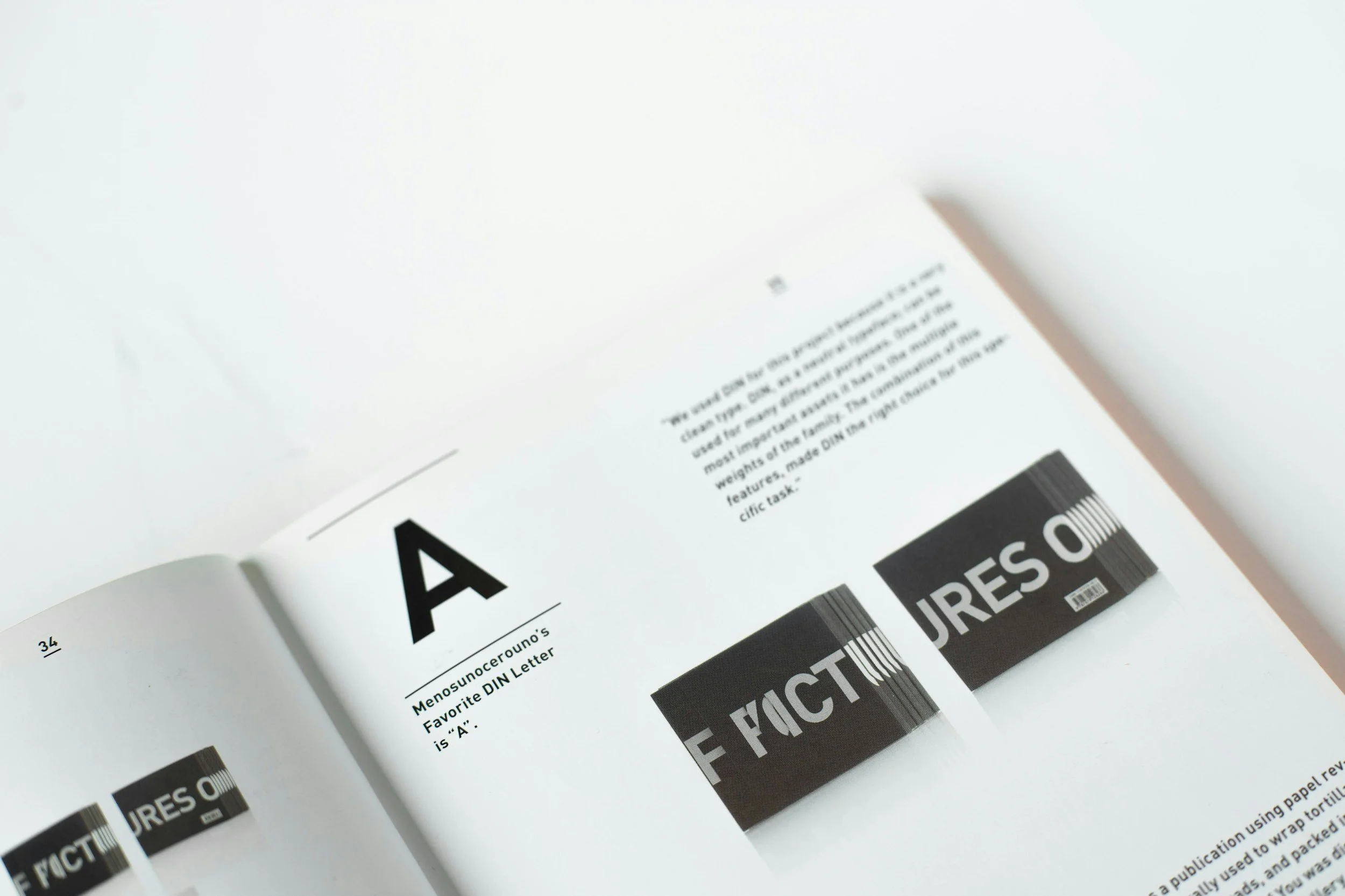
Design sells. Design looks good.
These are common ideas within the field.
But design also communicates, teaches, and accompanies.
This kind of design is not as loud or spectacular as advertising—the kind seen on billboards, concerts, or large campaigns. Instead, it lives in educational centers, manuals, and everyday learning materials. It is a quieter form of design, one that aims to include and support everyone.
In these contexts, mistakes do not only cost money. They can lead to misinformation, confusion around important topics, or disengagement—causing people to abandon reading or learning altogether.
For an editorial design specialist, silence plays an important role in engaging the reader.
This is achieved through the intentional use of visual hierarchies, structure, rhythm, and white space. These elements help reduce cognitive fatigue and allow readers to process information more easily.
When design is intentional and calm, learning becomes a more pleasant experience rather than a demanding one.
We know we are facing strong editorial material when it invites and motivates reading, does not exhaust the reader, respects the content, and has been adapted to its intended audience.
Adding too many elements without a clear intention or purpose creates visual noise. This saturates the page and makes it easy for readers to lose focus on the material’s central goal.
This approach shapes how I work with educational and health-related content. I focus on designing systems rather than isolated pages, always starting from the structure of the information and the needs of the reader.
I usually work with finalized texts and collaborate closely with subject-matter experts, ensuring that design supports the content instead of competing with it. My goal is to create materials that can be read with ease, understood with clarity, and used with confidence.
Designing for understanding means designing with responsibility.
In education and health contexts, clarity is not an aesthetic preference—it is what allows information to be trusted, used, and acted upon.
When design supports understanding, it becomes part of the learning process rather than a distraction from it.